
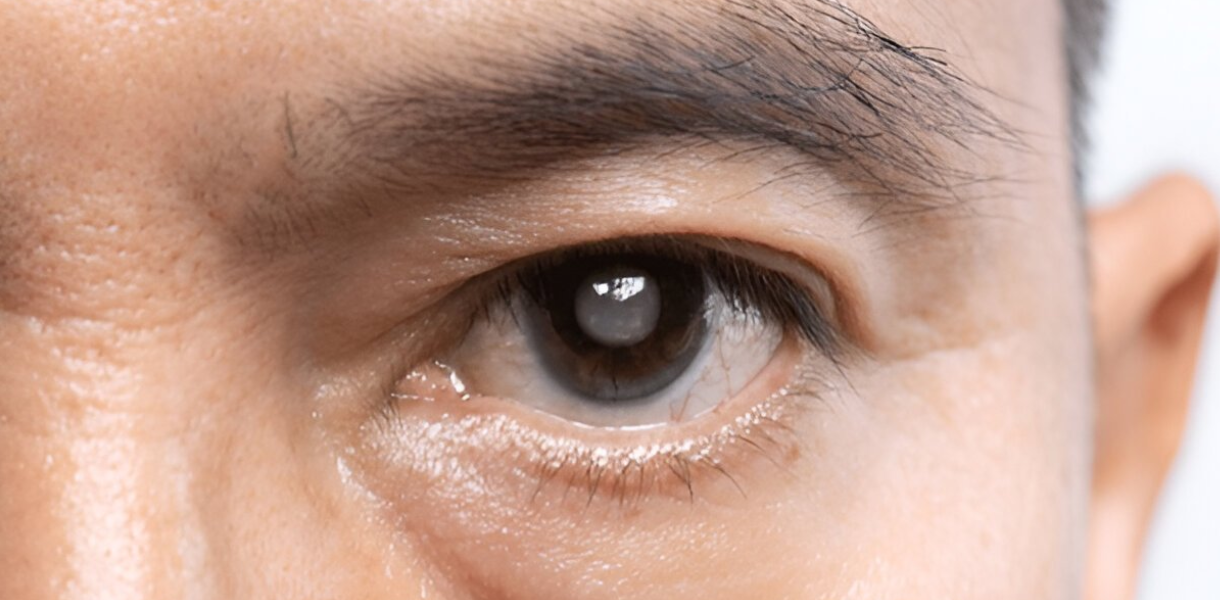
Glaucoma Treatment in Thrissur at Nethra Eye Care Centre focuses on detecting optic-nerve damage, controlling pressure and protecting remaining vision. Lost vision cannot usually be restored, but timely care can slow further damage. A Glaucoma Specialist in Thrissur can assess your risk and recommend a suitable plan.
Glaucoma is a group of diseases that damage the optic nerve. Raised intraocular pressure is an important risk factor, but damage can develop at normal measured pressure. Progressive disease may reduce peripheral and central vision.
Early glaucoma is often silent. Glaucoma Treatment in Thrissur aims to preserve useful vision by achieving an individual target pressure and monitoring progression.
This common type develops gradually without pain and may affect peripheral vision unnoticed.
The drainage angle becomes blocked. Sudden pain, blurred vision, halos, headache, nausea or vomiting requires emergency care.
Optic-nerve damage occurs despite pressure readings within the normal range.
Glaucoma may follow injury, inflammation, steroid exposure or another eye condition. Children can also be affected.
Open-angle glaucoma may cause no early symptoms before peripheral vision loss. Acute angle closure may cause:
These symptoms are a medical emergency. Seek immediate ophthalmic care. A Glaucoma Specialist in Thrissur can distinguish glaucoma from other causes of visual disturbance.
Risk increases with age, family history, raised pressure, diabetes, high myopia, injury and steroid exposure. Risk does not confirm disease but may justify screening.
Diagnosis requires more than one pressure reading. Evaluation may include tonometry, gonioscopy, pachymetry, optic-nerve examination, optical coherence tomography and visual-field testing.
Your Glaucoma Specialist in Thrissur interprets the findings together. Follow-up testing establishes whether optic-nerve damage is stable or progressing.
Treatment aims to lower eye pressure to a level considered safer for the optic nerve. Depending on glaucoma type, severity and progression, management may involve prescription eye drops, laser procedures or surgery. Treatment cannot recover established nerve damage, making adherence and follow-up especially important.
Use glaucoma drops exactly as prescribed and inform the doctor about side effects, other medicines and difficulties with administration. Never stop treatment because the eye feels comfortable; glaucoma can progress without pain. The plan for Glaucoma Treatment in Thrissur may change if pressure remains above target or testing shows progression.
Glaucoma is generally a long-term condition that requires scheduled reviews. Monitoring may include repeated eye-pressure checks, optic-nerve imaging and visual-field tests. Comparing results over time helps the specialist evaluate whether treatment is protecting vision.
Bring medicines to appointments and explain how consistently drops are used. A Glaucoma Specialist in Thrissur can demonstrate proper technique. Healthy habits cannot replace prescribed therapy.
Nethra provides local access through Irinjalakuda, Kodungallur and Mala. Our pathway combines examination, diagnostic testing, counselling and monitoring with clear explanations.
Patients receive practical guidance on medicine use, follow-up intervals, warning symptoms and emergency care. This continuity is important because glaucoma monitoring may continue for years, even when vision feels stable and comfortable.
Choosing Glaucoma Treatment in Thrissur should involve qualified ophthalmic evaluation, dependable diagnostic support and access to long-term follow-up. Your Glaucoma Specialist in Thrissur should also explain possible benefits, limitations, risks and alternatives so that decisions remain informed and patient-centred.
MBBS, DNB — Consultant Ophthalmologist
Dr. Pavithra E A provides comprehensive ophthalmic consultations and evaluation for different eye conditions. Patients concerned about glaucoma can contact Nethra Eye Care Centre to confirm her availability for screening, diagnosis and continuing management.
An evaluation may include eye-pressure measurement, optic-nerve examination, OCT imaging and visual-field testing according to clinical need.
Patients should bring previous prescriptions, test reports and current eye drops so the doctor can review their history and ongoing treatment clearly.
Glaucoma usually cannot be cured, and established optic-nerve damage is generally permanent. Treatment can help control pressure and reduce the risk of further loss.
No. Some people have raised pressure without nerve damage, while others develop glaucoma at normal pressure. A complete examination is required.
Review frequency depends on glaucoma type, severity, eye pressure, test results and treatment response. Follow the schedule advised by your specialist.
Many patients require long-term medication, although laser or surgery may alter the plan. Do not stop drops without medical advice.
Seek urgent care for sudden severe eye pain, blurred vision, redness, halos, headache, nausea or vomiting. These may indicate acute angle closure.
Book a glaucoma assessment at Nethra Eye Care Centre. Bring previous prescriptions, reports and current eye drops.

 Call
Now
Call
Now